
Things to Do and Places to Visit in Glastonbury
The White Spring
The White Spring is located just next to Chalice Well on Well House Lane. In 1872, the Water Board decided to build a reservoir in the attractive combe at this site. This decision raised much indignation among local antiquaries and historians. They were upset because their favorite picturesque site, which they frequently visited, was going to be ruined. They claimed the area was rich in history and legend because old stone foundations could be seen there, possibly belonging to small cells used by monks in the early days of Christianity. Another notable feature of the area was that the spring’s water had an unusual property – it coated all objects with a white, chalky residue.
Reflecting on what the area looked like back in 1896, George Wright described Well House Lane as an incredibly pretty sight before the reservoir spoiled it. On the right–hand side, there was a small thicket of bushes that climbed uphill. Although the water could not be seen flowing through it, one could hear the sound of its rapid rush as it burst forth into the lane. He described the lane as very pretty, as the entire embankment was made up of “fairy dropping wells,” hollows and caves covered with moss and vegetation. Every twig and leaf carried water to small pools, where it fell, drop by drop. Since the water contained lime, anything that stayed in the dripping water would eventually be covered with a coat of lime. Wright fondly took care of those little caves for many years, and Well House Lane captivated everyone who visited.
At this point, any cholera outbreaks in the area were considered a real threat, and there was a lot of concern about the purity of the drinking water. To ensure an adequate water supply, the natural caves were excavated and a stone receptacle for storing water was built. Subsequent research showed that, in addition to tapping the White Spring, water from other sources was also used. One of these sources had a high iron content, indicating the presence of an offshoot of the Chalice Well spring running under Well House Lane and emerging directly adjacent to the White Spring.
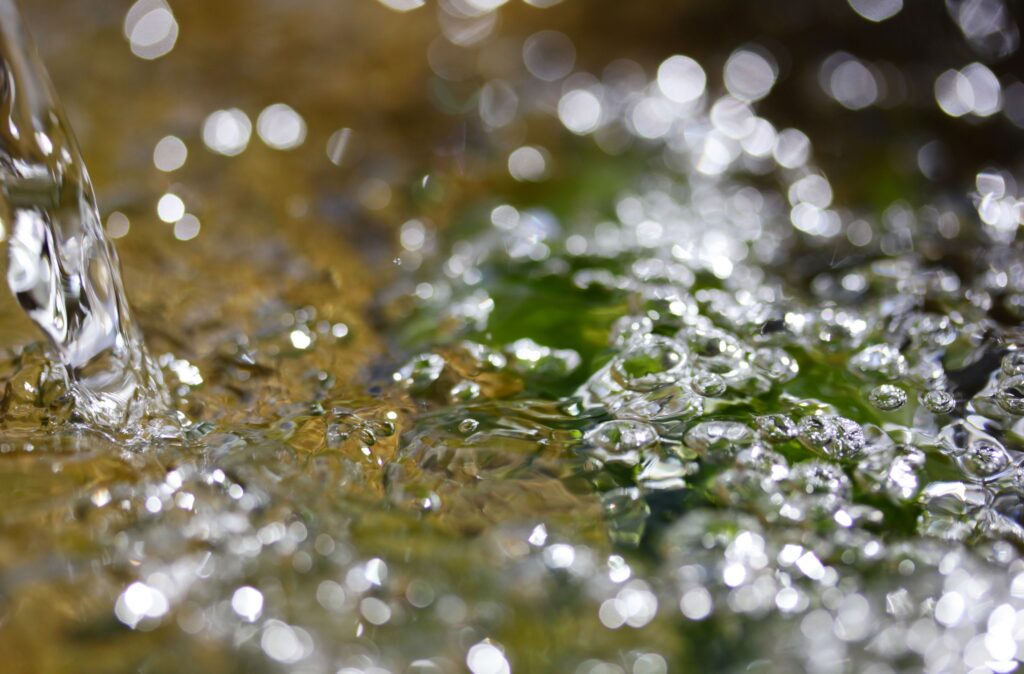
Calcium carbonate, also known as calcite, is naturally abundant in the waters of White Spring. The rocks beneath Somerset, where the spring is located, contain this substance. Calcite can crystallize into various shapes or form another type of deposit known as flowstone. This process occurs when water drips or flows along cave walls and floors. During this process, the calcite in the water hardens and leaves behind a glassy deposit. Pure calcite is colorless, but if other substances from the surrounding soil and stones are present in the solution, the deposits may be very colorful. The result may resemble melting cake icing or a frozen waterfall. Flowstone deposits can be seen in the nearby caves of Wookey Hole, near Wells.
Considering everything mentioned above, try to imagine what Well House Lane looked like before the reservoir was constructed.
According to an old story, this small valley served as a portal to an underground network of caverns under Glastonbury Tor. This network included the entrance to the Underworld, a place from Celtic mythology. Gwyn ap Nudd, considered the King of the Fairies, was said to reign in the Underworld. According to legend, one Welsh saint named Collen was abbot of Glastonbury Abbey in the seventh century. After resigning from his position, he retired and devoted himself to meditation at a small spring next to the Tor. It is said that Saint Collen chased Gwyn away, which is regarded as an exorcism of the entire Underworld kingdom. However, some believe that the fairy creatures did not leave. In fact, it is believed that the fairies simply shifted to another dimension and now dwell within the Tor. Such a magical well as George Wright described would only promote this belief.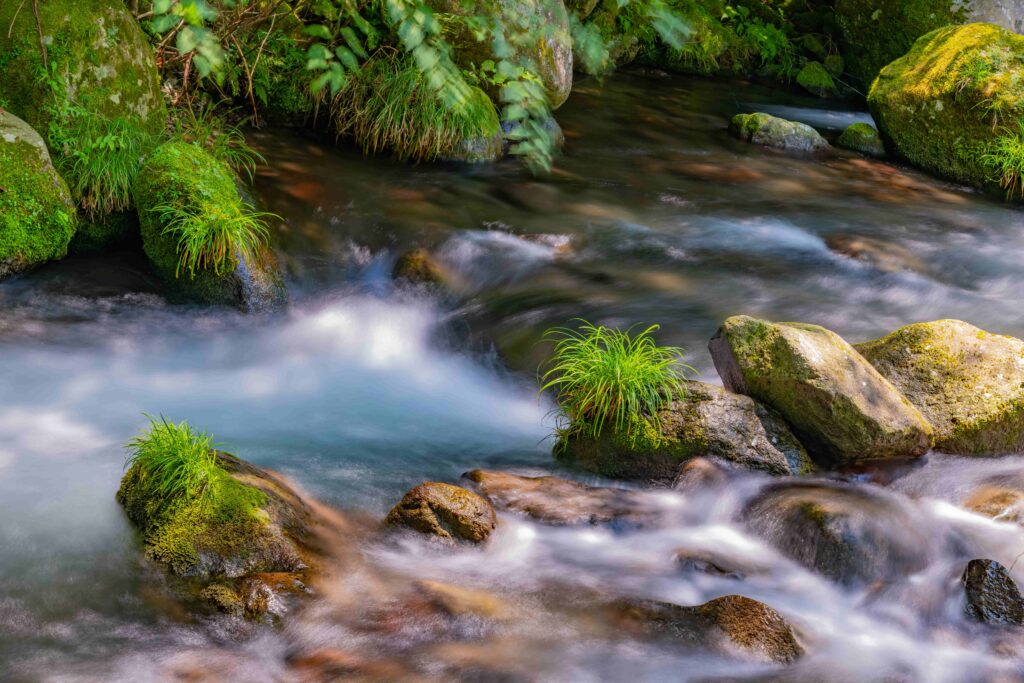
After the reservoir was completed, it became evident that the Water Board was facing a problem of high calcium content in the water, which led to pipe blockages. By the end of the 19th century, Glastonbury’s water supply came from outside the town. The White Spring site lay unattended for quite some time before the Water Board finally decided to sell the land. The pump house has since been converted into a temple in reverence of the gift of pure water. The temple is either dark inside or lit up with candles, which offers a wonderful contrast to the Chalice Well gardens right across from it.
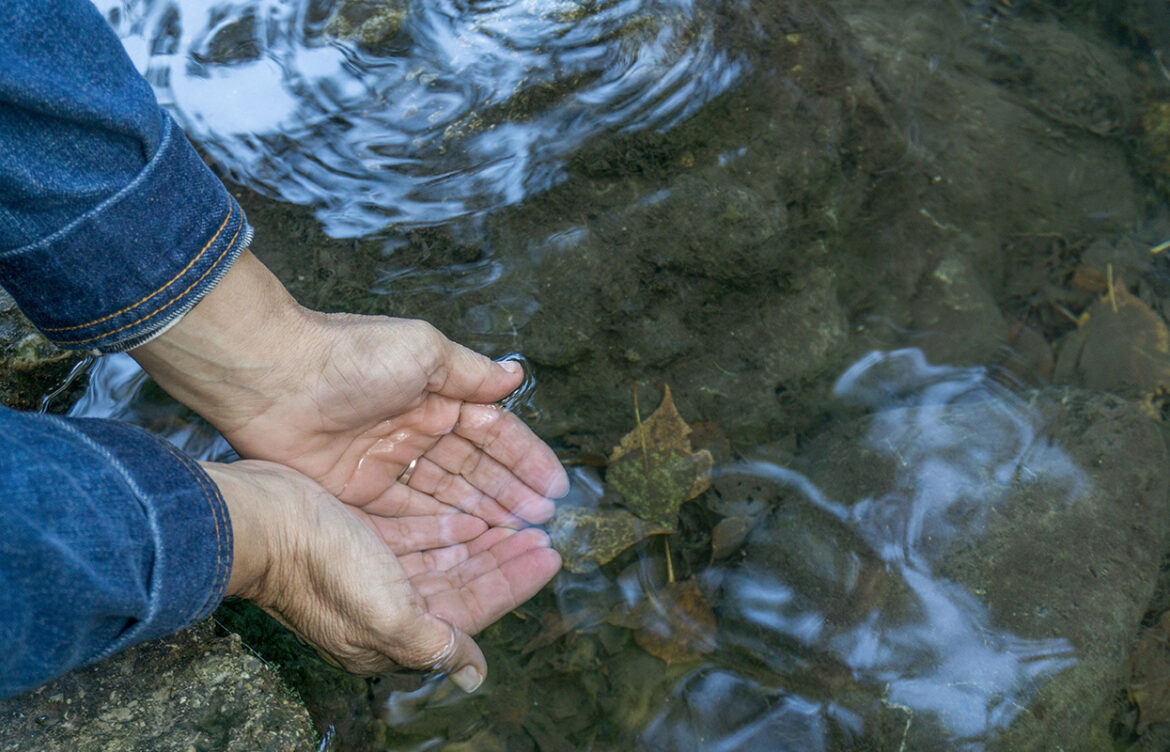
Outside the building, there is a tap where people can fill their bottles with water from the White Spring.
To find out more about the White Spring, visit the White Spring Glastonbury Foundation’s website, or contact them at: The White Spring Glastonbury Foundation, Glastonbury Opportunities Shop, Abbey Mews, Unit 7, 56–58 High Street, Glastonbury, Somerset BA6 9DY.